Issues Emerge at Bristol Harbour Festival 2025
Bristol Harbour Festival has always been one of those dates that’s etched into the city’s calendar. Anyone who’s ever tangled with the festival’s bustling crowds along the historic harbourside knows it pulses with a certain energy unique to Bristol. This year’s edition, held on June 23, delivered on the promise of excitement – but the aftermath has been overshadowed by real questions about safety and organisation.
What Went Wrong
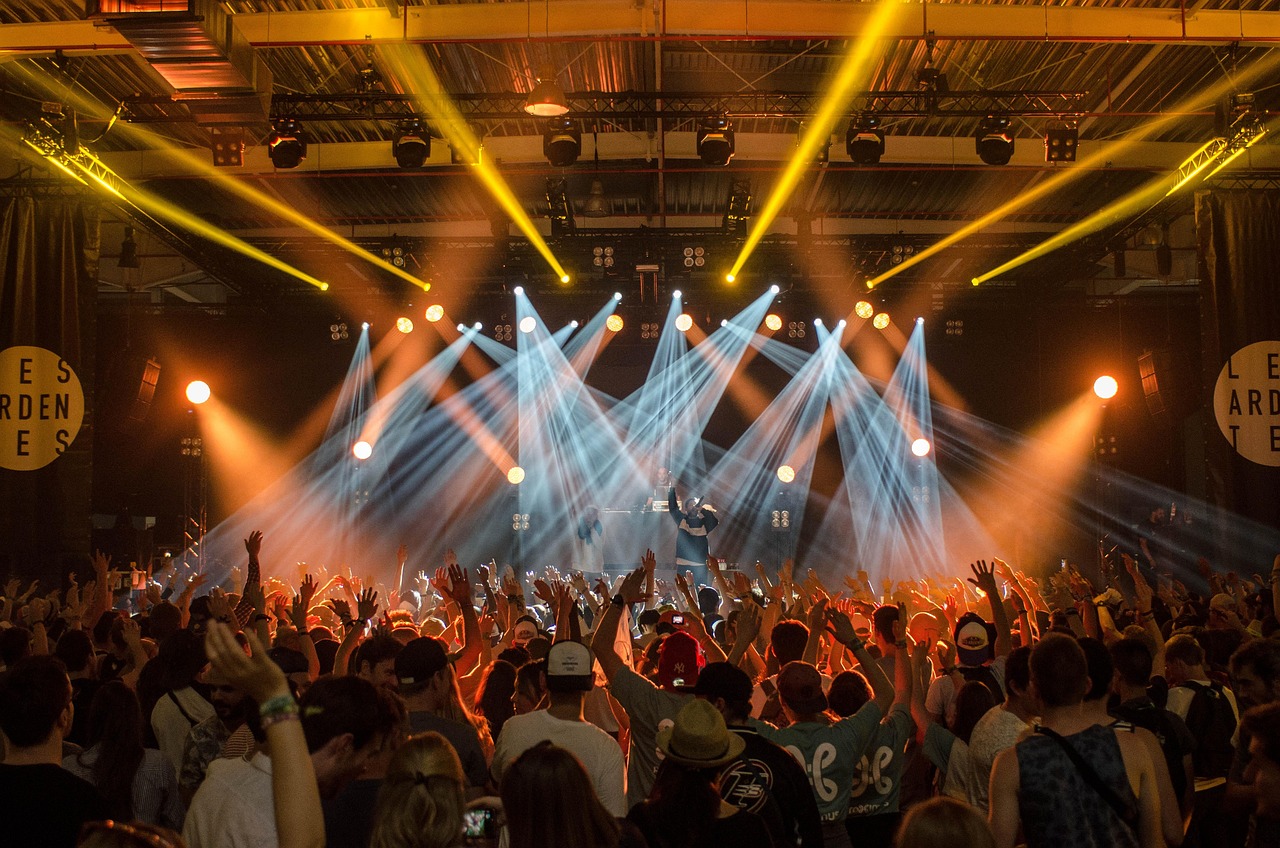
Reports from attendees and event monitors flagged a series of incidents at the heart of the festival. Overcrowding at multiple pinch points, particularly along the Narrow Quay and Millennium Square zones, left people jostling shoulder to shoulder with little room to move. Some families found themselves swept away by the press of the crowd. Emergency vehicle access routes were blocked repeatedly, causing concern for both on-site medics and festival-goers needing assistance.
Security teams facing the unexpected spike in numbers had difficulty maintaining established lines. Instances of heated altercations and minor injuries added to the chaotic environment. Personal accounts highlighted how those with mobility challenges struggled to navigate through the densest areas, raising the issue of event accessibility and inclusive safety.
Scrutiny from Community and Councillors
Following the event, criticism from Bristol City councillors and local residents poured in regarding the preparedness of organisers. Several councillors expressed disappointment, saying the risk assessments and security protocols relied too heavily on outdated footfall projections. As a Bristol local who’s attended the festival every summer for more than a decade, I’ve watched the event’s popularity skyrocket, but it’s clear that essential infrastructure hasn’t kept pace.
Conversations within the community have focused on whether organisers underestimated both the sheer volume of visitors and the logistical complexities introduced by the expanded festival programme in 2025. The knock-on effects included increased waiting times at designated exits, confusion around wayfinding, and significant delays for public transport in surrounding areas.
Police and Organiser Response
The response from Avon and Somerset Police has been direct but measured. Law enforcement acknowledged the lack of adequate crowd control in specific high-traffic areas. Public statements from police representatives underlined their commitment to reviewing emergency frameworks in partnership with event organisers. Key feedback points included clearer signage, more robust cordon management, and contingency plans to redirect pedestrian flows during peak times.
Event organisers, facing a swell of criticism, moved swiftly to begin a top-to-bottom review of this year’s shortcomings. Early indications from their team suggest a willingness to collaborate openly with local authorities, disability advocates, and transport planners to build a more resilient safety model for future festivals. A representative confirmed that recommendations from security and crowd safety experts will be not only considered but prioritised as part of next year’s planning process.
Potential Changes to Planning and Layout
Looking ahead, several changes seem inevitable. Among the proposals being weighed:
- Revisiting the event layout to avoid bottlenecks and excessive clustering in key performance zones
- Introducing more staggered entry points and improved one-way walking routes
- Installing dynamic signage with real-time crowd density updates
- Expanding first-aid stations with easier access from all festival quadrants
- Adjusting public transport timetables and temporary road closures to reduce gridlock
These revisions are grounded in established best practices and research from crowd science, with a clear focus on both preventive measures and rapid-response protocols.
Impact on Future Public Events in Bristol
Events like the Bristol Harbour Festival play a valuable role in the city’s cultural life and local economy, but the recent criticism has put a spotlight on the urgent need for modernised safety practices citywide. Organisers of other large-scale gatherings in Bristol are already watching this situation closely, with some expressing interest in adopting similar crowd-management strategies pre-emptively.
From a personal perspective, the love for citywide celebrations remains undiminished, but it’s not hard to understand why residents are asking: are we prioritising spectacle over safety? The expectation now is that organisers across Bristol, not just at the Harbour Festival, step up and adapt. No event should come at the expense of public wellbeing.
Keeping an open line of communication between local council, emergency services, and the people of Bristol will be crucial. Events of this scale rely on trust, and that trust hinges on visible, lived improvements year after year.
Frequently Asked Questions
What were the main security problems at this year’s Bristol Harbour Festival?
Primary concerns included severe crowd congestion at key sites, blocked emergency access routes, and insufficient management of pedestrian flows. Some visitors experienced delays receiving medical assistance due to these issues.
How have Avon and Somerset Police responded to festival safety concerns?
Police acknowledged the gaps in current arrangements and stated they’re collaborating closely with organisers for a comprehensive safety review. Plans are underway to implement stronger crowd-control mechanisms for future events.
Will the festival become less accessible for families or people with disabilities?
Safe access for all participants is now under tighter scrutiny. Organisers have stated they intend to involve disability advocates in redesigning festival infrastructure, aiming for an inclusive and navigable event.
Could these issues affect other public events across Bristol?
Expect city-wide changes as organisers of different festivals review their own safety protocols. The Harbour Festival’s difficulties have already drawn attention from other event planners who seek to prevent similar incidents.
What can attendees do to stay safe at crowded events?
Stay aware of designated exits, pay attention to official signage, and report any overcrowding to on-site staff or security. Familiarising yourself with emergency procedures before attending is always wise, particularly at large-scale gatherings.
There’s a lively conversation unfolding around Bristol’s approach to public celebrations. Organisers now face a decisive moment: adapt, learn, and restore confidence. Or risk losing the spirit that’s made Bristol Harbour Festival such a treasured fixture. It’s clear the city’s residents expect more, and with the right steps forward, there’s no reason Bristol can’t set the gold standard for safe, vibrant events.