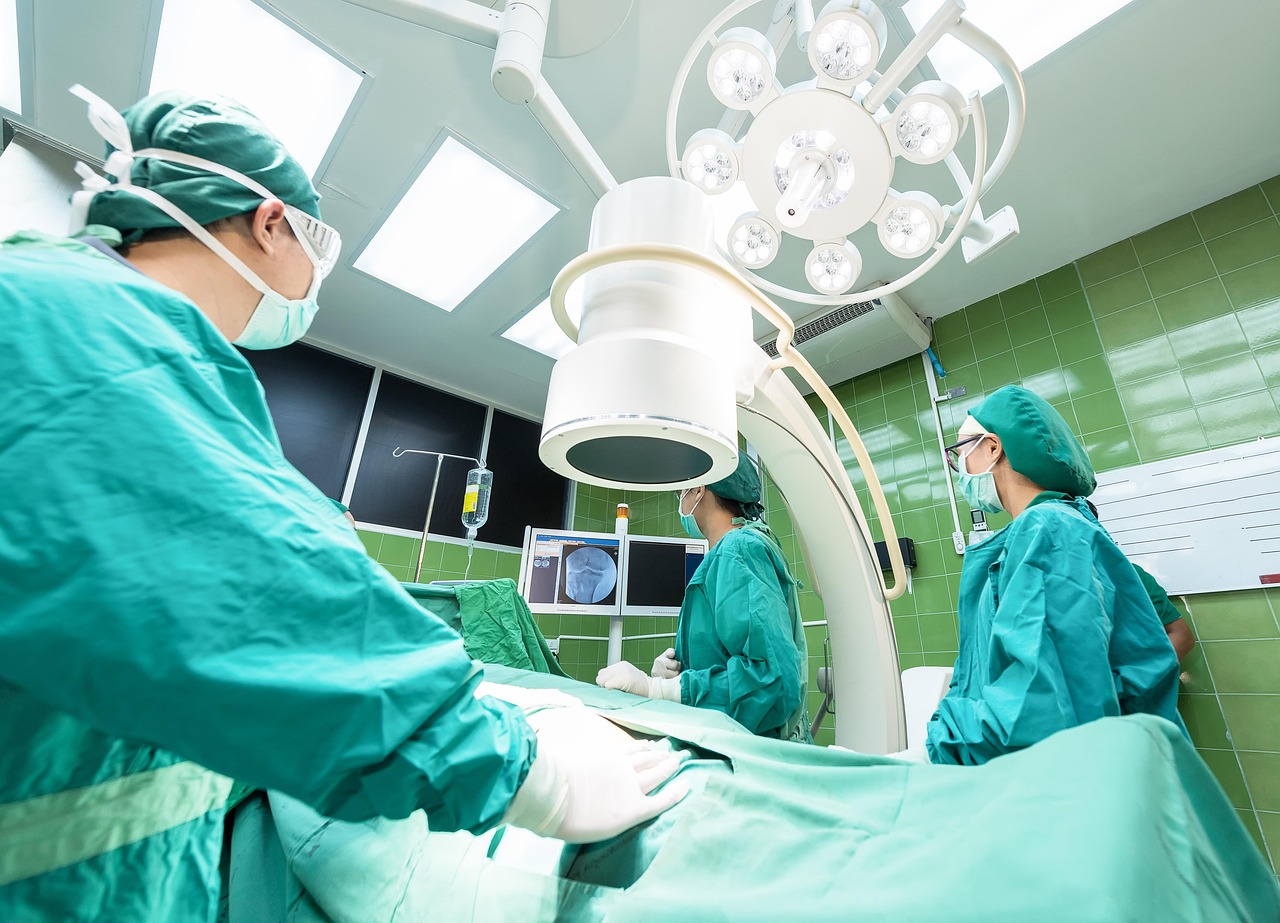
Anyone who has spent time working in, or near, an NHS emergency department knows the atmosphere all too well. There’s a unique pulse to these wards at Southmead Hospital, one I’ve felt during collaborative projects and professional visits over the past few years. When new figures land showing another surge in A&E wait times, those numbers are far from abstract. They represent patients sitting for hours, exhausted staff juggling priorities, and a local healthcare system creaking under strain.
Breaking Down the June 2025 Wait Times
The most recent batch of figures from June 2025 doesn’t paint a rosy picture for Bristol’s largest emergency unit. According to data collected up to June 23, Southmead Hospital reports a growing backlog with hundreds of patients waiting more than four hours for initial assessment and emergency care. The 95% target set for patients to be seen within four hours remains stubbornly out of reach, with recent performance dropping closer to 65%. A notable dip compared to the same period last year.
Staff indicate the figures mirror a wider national trend, but several factors are hitting Bristol particularly hard this month:
- A surge in summer respiratory infections
- Post-pandemic deferred care now presenting as acute emergencies
- Complex cases transferred from surrounding community health services unable to provide overnight cover
Some medical professionals describe a persistent “logjam” at key stages. Admissions waiting for ward beds, ambulance queues building up outside, and a wave of new arrivals driven by seasonal spikes.
What’s Fueling the Pressure?
When you step onto the floor, conversations with healthcare colleagues confirm the statistics: the team is running on empty, and nobody sees an immediate reprieve.
It’s not just the sheer volume of patients. Staff shortages are biting deeper than at any point since the pandemic. Over 30 registered nurse vacancies in the emergency department alone have left rotas patchy. Sickness rates among frontline staff hover around the 10% mark, and agency cover is costly, inconsistent, and often unavailable.
There’s also the challenge of “bed blocking” . When patients who could be discharged are left waiting due to a lack of adult social care or community placements. Colleagues from related disciplines in Bristol emphasize how these pressures ripple outward, causing delays for everyone, even those coming in with less acute problems. Delays at the “back door” are now as big an obstacle as those at the emergency “front door”.
How Are Local Services Responding?
Health system leaders in Bristol are acutely aware of the public concern. Recent briefings outline several focused actions:
- Temporary triage units set up in car parks to offload the ambulance queues
- Weekend and evening overtime commitments for existing nurses and clinical support staff
- Trial of a new digital tracking platform to prioritize the sickest and streamline discharge procedures
- Close coordination with regional GPs to divert minor cases
These steps are evidence-based, but the reality is that any meaningful relief will depend on lasting investment. Plans for targeted recruitment drives and a partnership with local universities aim to boost the clinical workforce before the winter surge hits. At the same time, North Bristol NHS Trust is pushing for urgent funding to expand its acute medical beds by autumn.
“The challenge for our staff is immense, but we’re proud of the professionalism and determination they show every single shift,” a hospital official shared in a press statement last week.
Real Impact Across Bristol and Beyond
The waiting room at Southmead isn’t just a tableau of stretchers and chairs. It’s filled with worried families from Patchway, older adults from Filton, students from the city centre. The knock-on effect extends to other regional hospitals, GP surgeries, and community clinics.
Feedback from professional colleagues working in and around Southmead frequently highlights the toll on patient experience. While the clinical staff continue to deliver safe care, the long waits mean many endure hours of discomfort before being seen. Some leave without treatment, and others deteriorate while waiting. A reality acknowledged in recent hospital safety incident reviews.
The Road Ahead: Planned Changes and Investments
There’s no quick fix, but the roadmap for the next few months is becoming clearer. Announced investments focus on three main areas:
- Fast-tracking repairs and upgrades in ageing estate areas to open more treatment spaces
- Investment in mental health liaison teams to support non-urgent presentations
- Innovative staff retention incentives, including subsidized childcare and enhanced education opportunities for long-serving team members
Research and experience show that multifaceted approaches stand the best chance of making a dent in these complex problems. Leadership at North Bristol NHS Trust vows to publish monthly transparency reports this summer, tracking progress against clear targets and being open about setbacks.
Looking Forward
As someone who has witnessed up close the dedication of healthcare professionals here in Bristol, the sense of urgency and the desire for improvement rings true. Solving A&E gridlock at Southmead is not just about statistics or headlines. It’s a matter of trust, community wellbeing, and respect for the staff trying to patch the cracks every day.
It’s time for renewed focus and active support at every level. Government, NHS management, and the wider public. If you’ve been affected, or if you have insights from working in health and care locally, now is the moment to speak up and share experiences with decision-makers.
Let’s keep the momentum going. Only together can we ensure that Southmead’s emergency care returns to a standard worthy of Bristol.
Frequently Asked Questions
What are the current A&E wait times at Southmead Hospital?
As of late June 2025, well over a third of patients at Southmead’s A&E are waiting more than four hours to be assessed and treated, with a significant backlog in admissions. While numbers change daily, the hospital is currently meeting around 65% of its four-hour target. Well below the NHS England goal of 95%.
Why are the delays at Southmead increasing?
Multiple factors contribute to the longer waits, including staff shortages, high rates of sickness among clinical workers, a lack of available beds on inpatient wards, and seasonal increases in demand linked to infection spikes. There is also increased pressure from patients seeking care after postponing treatment during the pandemic.
What is being done to address the issue?
Several measures are underway. These include extra triage capacity, recruitment campaigns, expanded use of digital tools to streamline flow, and capital works to boost treatment space. There is also renewed focus on staff retention through incentives like childcare support and continued professional development.
How do these delays affect patients?
Long waits can cause discomfort, stress, and potentially worsen health outcomes for patients. Some may leave before treatment, while others wait extended periods in crowded conditions. This can also add pressure on staff, increasing the risk of errors or missed diagnoses.
Is the situation at Southmead unique?
While Southmead is currently under particular strain, similar challenges are seen across many UK emergency departments. The scale and specific causes vary, but workforce shortages, bed availability, and fluctuating demand are widely recognized national issues. Southmead’s figures, however, show one of the highest recent surges in the region.