Bristol’s history is complex, layered with both prosperity and pain. While the city is celebrated for its maritime heritage, its past is deeply entangled in one of history’s darkest chapters. The transatlantic slave trade. This legacy has shaped Bristol in ways that still resonate today, and many are working to confront its impact with honesty and reflection.
Bristol’s Rise as a Trading Power
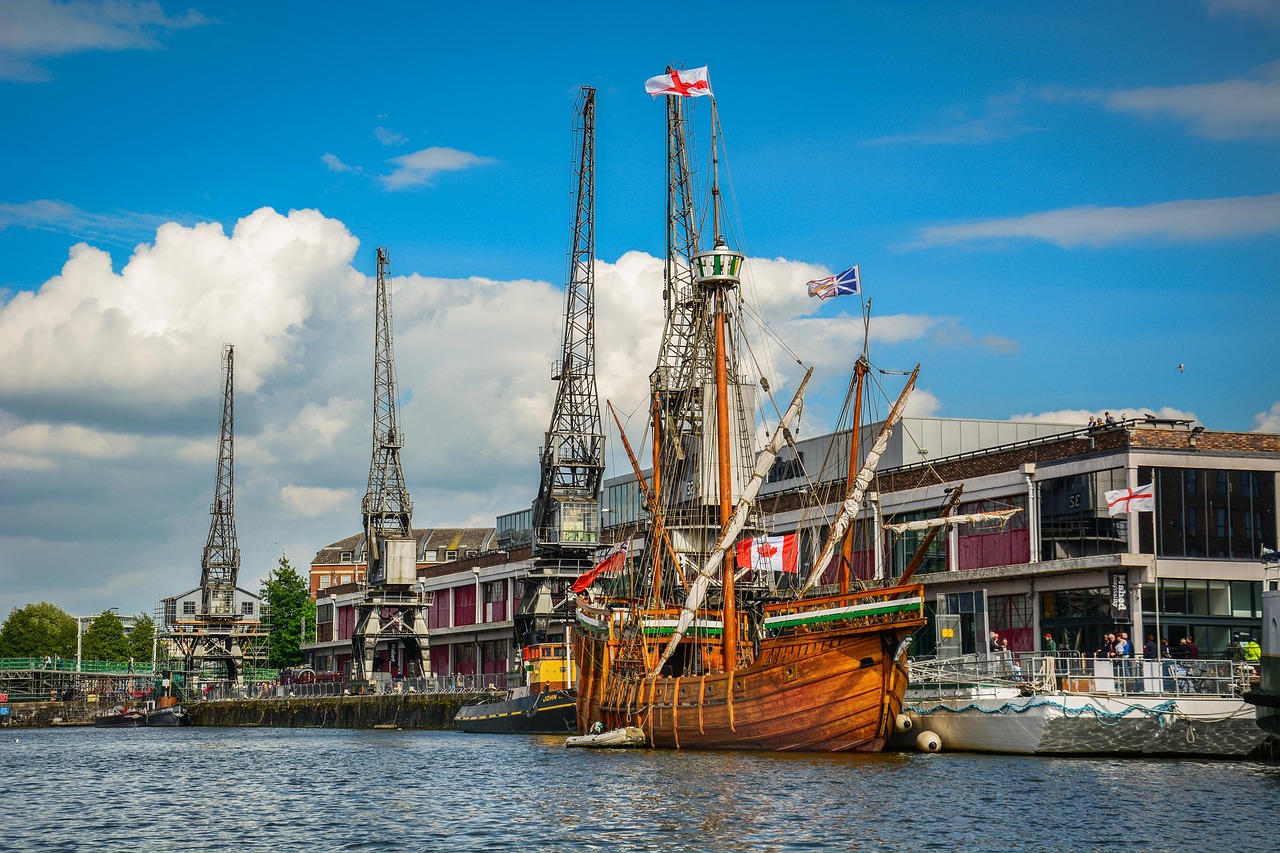
During the 17th and 18th centuries, Bristol emerged as one of Britain’s key ports in the triangular trade, alongside London and Liverpool. Ships from the city transported goods such as textiles, firearms, and metalwork to West Africa. There, these goods were exchanged for enslaved people, who were then forcibly taken across the Atlantic to the plantations of the Americas and the Caribbean. On the return voyage, these ships carried sugar, tobacco, and other commodities back to Britain, fueling the city’s ever-growing economy.
Bristol’s role in this trade was undeniable. Between 1698 and 1807, the city was responsible for at least 2,100 voyages that transported around half a million enslaved Africans. The immense wealth generated from this brutal system financed the construction of grand buildings, funded influential banking institutions, and established family fortunes that would shape Bristol for generations.
The Economic Impact on the City
Much of Bristol’s prosperity during this era was built on profits directly or indirectly linked to slavery. Merchants made fortunes supplying plantation owners, while industries within the city flourished thanks to the booming trade. Bristol’s docks became a hub for commerce, and businesses ranging from sugar refineries to tobacco houses thrived.
Even those who were not directly involved in the trade benefited from its economic ripple effect. Banks such as the now-infamous Lloyds Banking Group had financial ties to slavery, while local industries. Including shipbuilding, insurance, and manufacturing. Grew significantly as a result. These economic foundations cemented Bristol’s status as one of Britain’s most important commercial centres.
Landmarks and Historical Sites Linked to Slavery
Walking through Bristol today, traces of its slave-trade connections remain visible in street names, statues, and historic buildings. Some of these sites include:
- Pero’s Bridge – Named after Pero Jones, an enslaved servant brought to Bristol from the Caribbean in the 18th century.
- The Merchants’ Hall – Home to the Society of Merchant Venturers, a powerful group that played a significant role in the city’s involvement in the slave trade.
- Queen Square – Once a residential area for wealthy merchants whose fortunes were built on slavery.
- Colston Tower and Other Landmarks – Named after Edward Colston, a wealthy merchant and slave trader whose legacy has been the subject of intense debate in modern times.
One of the most significant moments in recent years was the toppling of the Edward Colston statue during the Black Lives Matter protests in 2020. This act sparked global conversation and reignited discussions about how cities should acknowledge painful histories.
Acknowledging the Past in the Present
Efforts to confront Bristol’s involvement in slavery have intensified, particularly in education and public discourse. Schools and universities now place greater emphasis on teaching this history, and museums like the M Shed provide important exhibitions on the city’s role in the transatlantic slave trade.
The Bristol Slavery Trail, a self-guided walking tour, allows visitors to explore sites connected to this history while engaging with information that doesn’t shy away from difficult truths. Local communities have also pushed for changes to street names and monuments that glorify figures with ties to slavery.
Bristol’s City Council has committed to further acknowledging this past, working with historians and activists to ensure that remembrance is both respectful and truthful. The goal is not to erase history, but to recognize it in a way that honours those who suffered.
Moving Forward
Understanding and confronting Bristol’s role in the transatlantic slave trade is essential to shaping a more inclusive future. Acknowledging historical injustices does not diminish the city’s achievements, but rather strengthens its identity by fostering accountability and learning.
The conversation continues, and perhaps that’s the most important takeaway. History is not a fixed story. Cities like Bristol have the opportunity to lead by example, showing that reckoning with the past can pave the way for a more just and informed society.
Frequently Asked Questions
Why was Bristol so heavily involved in the transatlantic slave trade?
Bristol’s geographical location made it an ideal port for maritime trade. Its merchants saw immense profit potential in the triangular trade, and with government support and financial backing from banks, the city quickly became one of the most dominant slave-trading centres in Britain.
Has Bristol officially apologized for its role in the slave trade?
While various institutions within Bristol have made statements acknowledging the city’s role, there has not been a single official apology from all governing bodies. However, many local organizations and authorities continue to work towards meaningful recognition and reconciliation.
What is the significance of the Edward Colston statue being removed?
Edward Colston was a prominent Bristol merchant with deep ties to the slave trade. His statue stood in the city centre for years as a symbol of his contributions to Bristol, but it became a focal point of protest. In 2020, demonstrators pulled it down and placed it in the harbour, an act that sparked nationwide discussions about how Britain remembers historical figures linked to slavery.
How can I learn more about Bristol’s slave trade history?
Visiting museums like the M Shed, taking part in the Bristol Slavery Trail, and reading historical archives are great ways to deepen your understanding. Many historians and activists continue to share their research, making it easier to access accurate and insightful information.
Are there still streets or buildings named after slave traders in Bristol?
Yes, some streets and buildings still bear the names of individuals linked to the slave trade. However, public discussions have led to renaming initiatives, with some locations already having changed or being considered for change to better reflect the city’s evolving perspective on historical accountability.