Bristol has always been a city of resilience, but few events in its history tested its spirit like the night skies of World War II. The Bristol Blitz, a harrowing chapter between 1940 and 1941, reshaped the landscape, the people, and the very essence of this remarkable city. Today, echoes of this destruction and the incredible stories of survival still linger in its streets and landmarks.
Why Bristol Became a Target for German Bombers
During the war, the Luftwaffe had a clear strategy: cripple Britain’s industrial and economic power. Bristol, with its bustling port, aircraft manufacturing at Filton, and vital railway connections, was a prime target. The city played a crucial role in supplying the war effort, and the Nazis were determined to disrupt Britain’s capability to fight back.
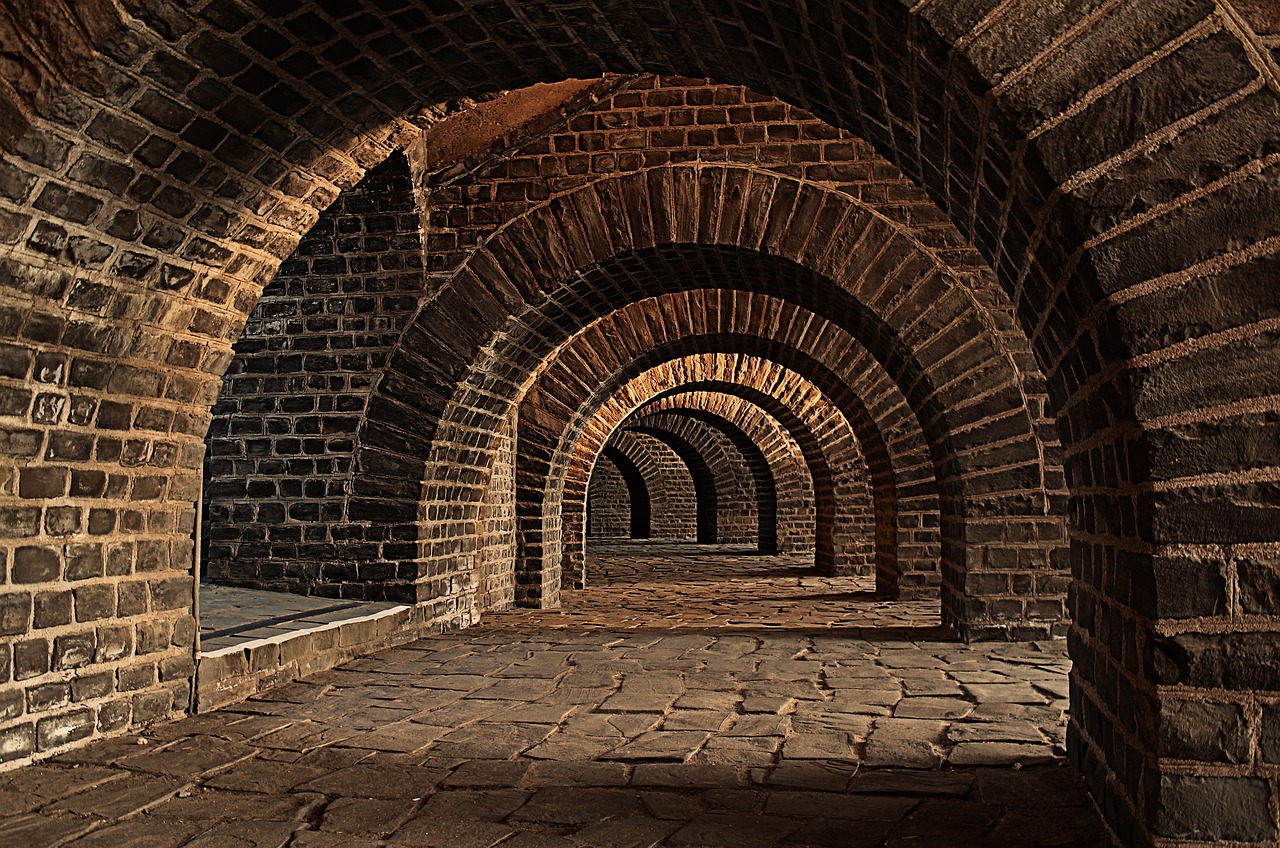
Between 24 November 1940 and April 1941, Bristol endured relentless bombing raids. A single night in November 1940 saw 148 tons of high explosives and over 10,000 incendiaries rain down, leaving parts of the city in ruins. Families took shelter wherever they could. Many in hastily dug back-garden trenches, some in the Underground Vaults near the city center. But devastation was unavoidable.
Personal Stories from the Bristol Blitz
Amid destruction, extraordinary acts of bravery emerged. One survivor, Doris Blake, recalled how her father, a fire warden, worked tirelessly amidst the flames:
“The house behind ours was hit, and we thought the whole street would go up. My father refused to leave until everyone was safe. That night changed everything. We lost neighbors, friends, but we carried on.”
For many, the war wasn’t just fought on the battlefields; it was fought at home, in darkened streets where children clung to their parents, listening to distant sirens and waiting for the inevitable explosions.
The Night Bristol’s Icon Fell
Perhaps the most heart-wrenching loss was St. Peter’s Church in Castle Park. A symbol of Bristol’s medieval past, it stood for centuries until bombs tore through its ancient walls. Rather than rebuild, the city chose to leave it as a permanent ruin. A monument to what was lost and a reminder of the city’s endurance.
The City’s Rebuilding and Transformation
After the war, Bristol faced the mammoth task of rebuilding. Entire neighborhoods had been flattened, and the city’s architectural landscape changed dramatically. The reconstruction period, however, wasn’t just about bricks and mortar. It was about restoring a community.
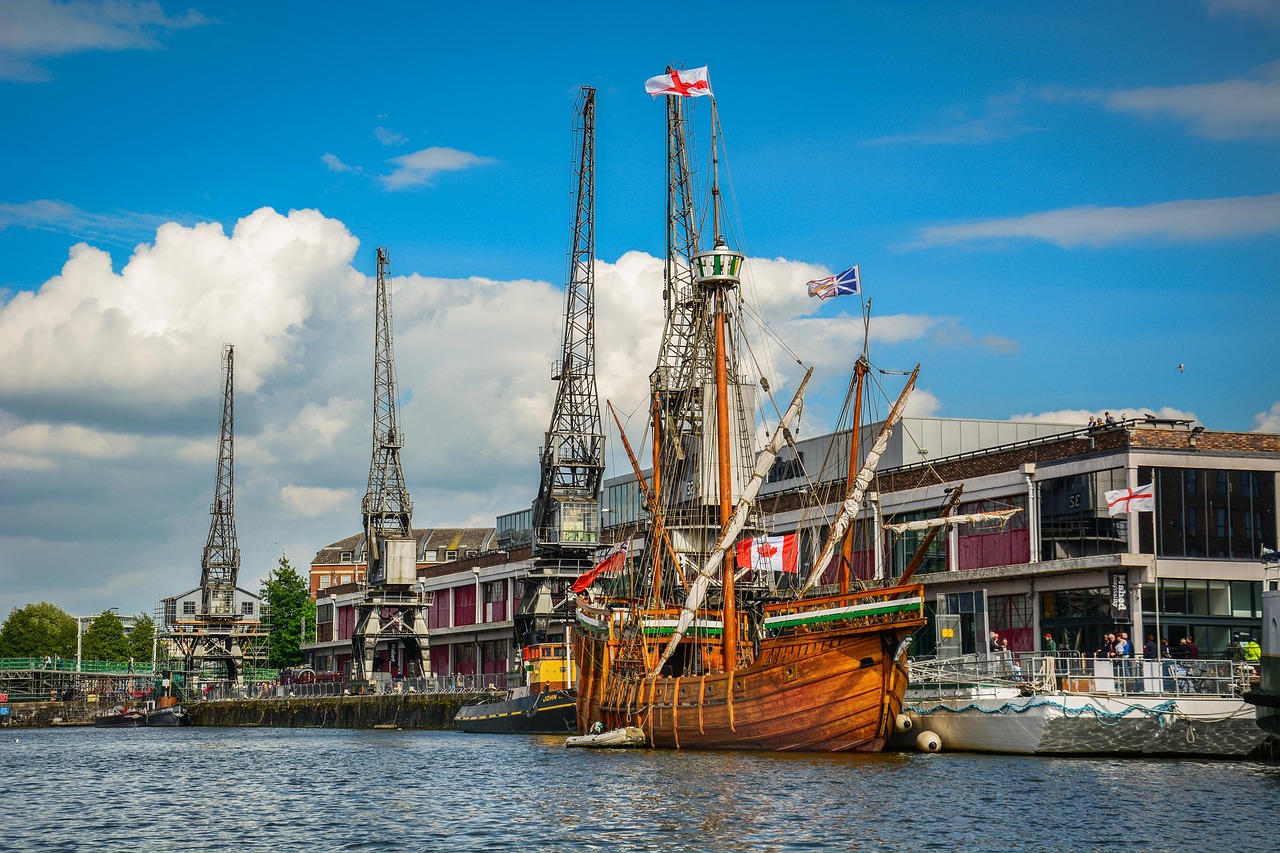
The Broadmead shopping district rose from the rubble, offering a new commercial heart. The Floating Harbour, once a key logistical point for wartime industry, was revitalized in later years as a cultural and leisure hub. Yet, remnants of war remain throughout Bristol, from plaques marking where bombs fell to hidden air raid shelters beneath familiar streets.
How Bristol Remembers the War Today
History isn’t just found in books; it’s embedded in the very fabric of Bristol. Today, several memorials and museums ensure that the sacrifices and resilience of those who lived through the Blitz are not forgotten.
- The Bristol Blitz Memorial at Castle Park honors those who perished, standing as a silent witness to the destruction and loss.
- The M Shed Museum houses an extensive collection of wartime artifacts, personal accounts, and photographs, painting a vivid picture of life during the raids.
- Filton’s Aerospace Bristol Museum showcases Bristol’s pivotal role in aviation, offering a deeper understanding of why the city was such a significant target.
Each year, on Remembrance Sunday, Bristolians gather to reflect. Not only on those who fought on distant shores but also on the civilians who bore the brunt of war from home.
The Bristol Blitz reshaped the city, but it never broke its spirit. Walking through its streets today, amid the modern skyline and historic structures that survived, there’s a clear message: Bristol remembers. And in remembering, it honors those who lived, fought, and rebuilt.
Frequently Asked Questions
How many bombing raids did Bristol suffer during the Blitz?
Bristol endured six major bombing raids between November 1940 and April 1941. In total, over 77 air raids targeted the city during the war.
What were the worst-hit areas in Bristol during the Blitz?
Castle Park, Broadmead, and the area around the docks suffered massive destruction. Many residential neighborhoods were also hit, displacing thousands.
Are there still bomb sites visible in Bristol today?
Yes, several sites remain as memorials, such as the ruined St. Peter’s Church in Castle Park. Additionally, some underground air-raid shelters still exist, though many are closed to the public.
How did Bristol rebuild after the war?
The city undertook extensive reconstruction, developing new residential areas and commercial hubs like Broadmead. Over time, urban renewal projects transformed bomb-damaged spaces into cultural landmarks.
What lessons does the Bristol Blitz teach future generations?
It serves as a powerful reminder of resilience, the costs of war, and the importance of community strength in times of crisis. Memorials and museums ensure that these lessons are never forgotten.