Bristol is a city steeped in history, but few names are as intertwined with its identity as Isambard Kingdom Brunel. A visionary of the Victorian era, Brunel left a lasting mark through feats of engineering that still inspire awe today. Whether it’s the breathtaking Clifton Suspension Bridge or the pioneering SS Great Britain, his legacy is woven into the very fabric of the city.
Brunel’s Impact on Bristol
Brunel wasn’t just an engineer. He was a game changer. In the 19th century, Bristol was a thriving port city, but it needed innovation to maintain its status. Brunel answered the call with projects that not only transformed the city’s infrastructure but also pushed the boundaries of engineering itself.
His work laid the groundwork for Bristol’s expansion, turning it into a hub of industry and innovation. Even now, his contributions remain a source of local pride, drawing engineers, historians, and curious visitors eager to witness his genius firsthand.
The Clifton Suspension Bridge: A Marvel in the Sky
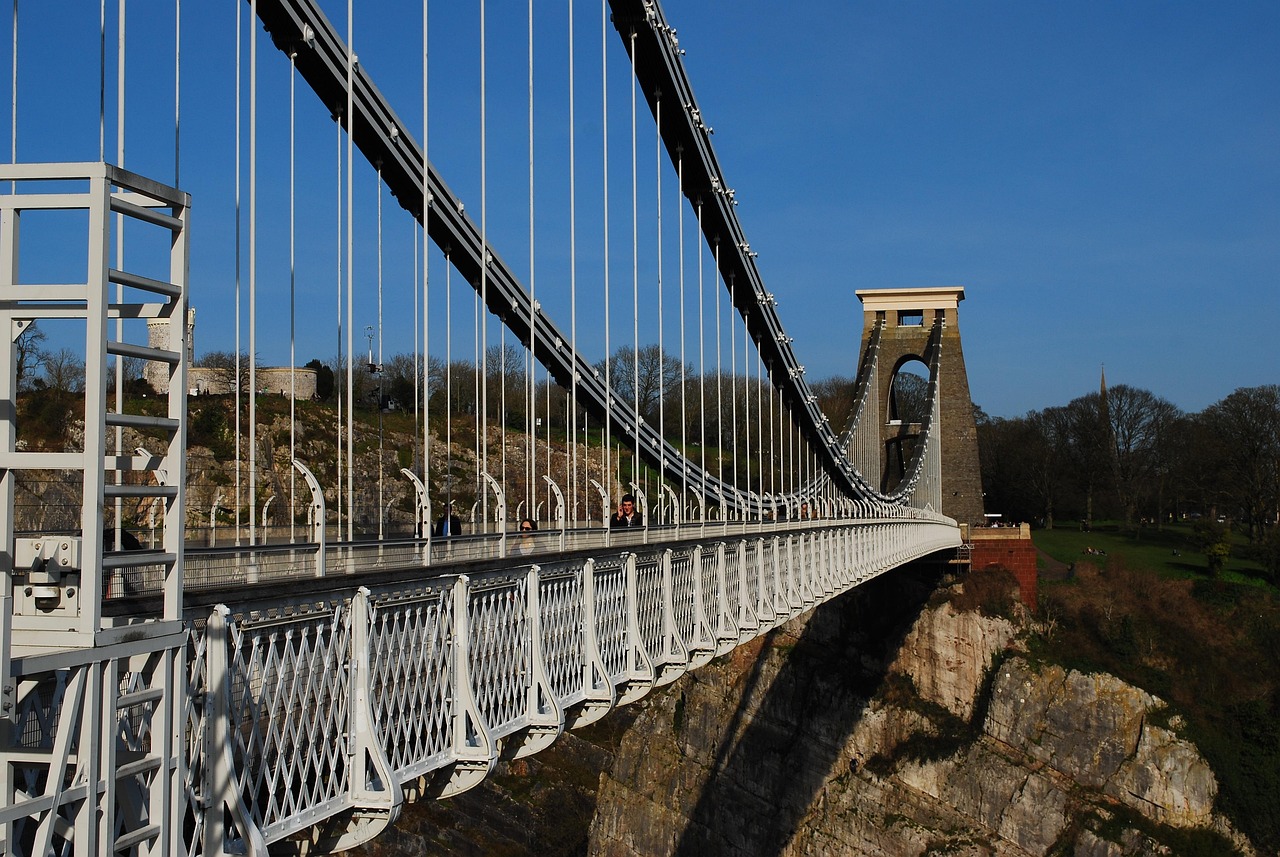
Perched high above the Avon Gorge, the Clifton Suspension Bridge is perhaps Brunel’s most iconic creation in Bristol. Though he designed it in the 1830s, the bridge wasn’t completed until after his death, opening in 1864. It stands today as a testament to his ambitious vision.
Engineering Brilliance
At the time, building a suspension bridge across the Avon Gorge was a near-impossible task. The gorge is deep, the terrain challenging, and the technology of the day was still evolving. But Brunel’s design was ahead of its time. His innovative use of massive chains and robust towers helped create a structure that remains both elegant and structurally sound.
Even today, engineers study the bridge to understand its longevity. It has withstood over 150 years of use, a remarkable feat considering the advancements in materials and construction since then.
More Than Just a Bridge
Beyond its engineering significance, the Clifton Suspension Bridge is a symbol of Bristol itself. From New Year’s Eve fireworks to countless postcards and photographs, it remains one of the city’s most beloved landmarks. Walking across it, with breathtaking views in every direction, is an experience that never gets old.
The SS Great Britain: The Ship That Changed Everything
Before Brunel, ocean travel was risky, slow, and unpredictable. The SS Great Britain changed that. Launched in 1843, it was the world’s first iron-hulled, propeller-driven ocean liner. A radical departure from traditional wooden sailing ships.
A Revolutionary Design
Brunel’s approach to shipbuilding was revolutionary. He combined iron construction with a screw propeller, making the vessel more durable, stable, and efficient than anything before it. This made transatlantic journeys faster and safer, forever altering the way people traveled across oceans.
A Piece of Living History
After decades of service, the ship was eventually abandoned in the Falkland Islands. But in 1970, it was brought back to Bristol, painstakingly restored, and turned into one of the city’s premier historical attractions. Visitors today can walk its decks, explore its interior, and gain a deeper appreciation for the innovation that went into its design.
It’s not just a museum piece. It’s a physical connection to an era when engineering was reshaping the world.
Brunel’s Lasting Influence on Bristol
Brunel didn’t just build things. He shaped the future. His projects laid the foundation for modern engineering, and his influence can still be felt in Bristol’s character today.
A City Built on Innovation
Bristol has continued Brunel’s legacy by becoming a center for engineering, aerospace, and creative industries. From world-class universities to cutting-edge technology firms, the spirit of progress that Brunel championed is alive and well.
A Source of Civic Pride
Residents of Bristol don’t just see Brunel’s work as history. They see it as part of their identity. His name is everywhere, from plaques and statues to businesses and educational programs that keep his innovations relevant for future generations.
Frequently Asked Questions
Was the Clifton Suspension Bridge completed in Brunel’s lifetime?
No, Brunel designed the bridge, but construction was delayed for many years due to financial difficulties and other challenges. It was finally completed in 1864, five years after his death.
Why was the SS Great Britain abandoned?
After serving multiple roles. Including a luxury passenger liner, cargo ship, and even an immigrant transport vessel. The SS Great Britain fell into disrepair and was left in the Falkland Islands. It was later recovered and restored in Bristol.
How did Brunel’s engineering methods influence modern construction?
Brunel’s approaches to materials, design, and problem-solving laid the groundwork for modern civil and structural engineering. His use of iron in shipbuilding, advanced tunneling methods, and suspension bridge designs influenced countless future projects.
Where can I see Brunel’s work in Bristol today?
His most famous sites in Bristol include the Clifton Suspension Bridge, the SS Great Britain, and the Great Western Railway station at Temple Meads. Each of these locations offers a unique window into his engineering brilliance.
What other major projects did Brunel work on outside Bristol?
Beyond Bristol, Brunel was responsible for projects like the Great Western Railway, the Royal Albert Bridge, and the Thames Tunnel. His work extended across Britain, leaving a national legacy that goes far beyond this city.
Brunel’s contributions didn’t just shape Bristol. They changed the world. Whether you’re crossing the Clifton Suspension Bridge, exploring the SS Great Britain, or simply admiring the city’s resilience and innovation, you’re experiencing the lasting impact of one of history’s greatest engineers.